Eating Disorders

Has an eating disorder taken over everything you love in your life?  Let’s explore what it means to live with and recover from an eating disorder. From breaking the binge restrict cycle, exploring food chaining examples, and conquering fear foods, i’ll share techniques for working through it all!

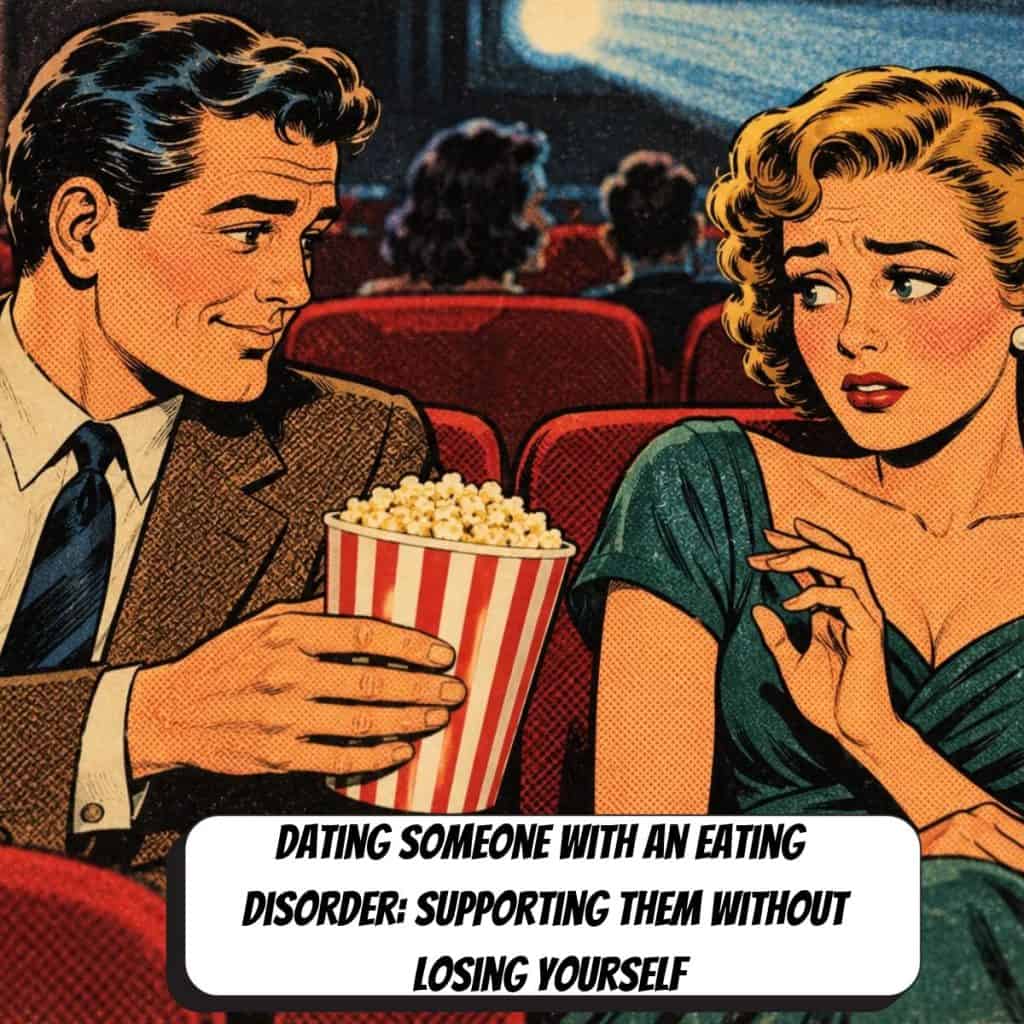
Dating Someone With an Eating Disorder: Supporting Them Without Losing Yourself

When you’re dating someone with an eating disorder, ordinary plans can become complicated. Dinner may be stressful, body compliments may land badly, and you may be unsure whether to bring up something that worries you or leave it alone. You can care deeply about someone and still have no idea what to say. Learning how

Dating Someone With an Eating Disorder: Supporting Them Without Losing Yourself Read More »

woman at a diner looking upset being handed a plate

Vegetarian & Vegan Eating Disorder Recovery

Pursuing eating disorder recovery as a vegan or vegetarian often comes with additional surprises, emotional turmoil, and sometimes even intense feelings of isolation. Following a diet that doesn’t include eating animal products can be difficult socially even if you don’t have an eating disorder on board. Your eating disorder is probably screaming at you: All

Vegetarian & Vegan Eating Disorder Recovery Read More »

comic book woman at retro diner with chips on the table

100 Snack Ideas for Eating Disorder Recovery

Snacks can feel like one of the hardest parts of eating disorder recovery. Not because they’re complicated, but because they challenge that toxic inner voice that’s screaming in your head (aka the eating disorder voice) about how “snacks are bad.” You might feel like snacks are inconvenient, not necessary, or interrupt your meal-time rules. This

100 Snack Ideas for Eating Disorder Recovery Read More »

black an white comic book image of a bloated woman looking in the mirror

Managing Bloating in Anorexia Recovery

Bloating is one of the most common, and often most distressing, physical symptoms people experience during anorexia recovery. After months or even years of restricting food, the digestive system needs time to heal, which can make even small amounts of food feel overwhelming.  The uncomfortable fullness, stomach distension, and gas aren’t just physical hurdles; they

Managing Bloating in Anorexia Recovery Read More »

comic book woman looking at a list of clean eating foods on the fridge

The Orthorexia Quiz: Created by A Dietitian

Orthorexia is a term used to describe an unhealthy obsession with eating foods that are considered pure, clean, or healthy. While wanting to nourish your body is a positive goal, this focus can sometimes become extreme—leading to anxiety, guilt, or rigid food rules that disrupt daily life. Do you have an unhealthy obsession with eating? 

The Orthorexia Quiz: Created by A Dietitian Read More »

comic book woman holding her heart while traffic rushes by

Bulimia and the Heart: Risks and Treatment

Bulimia nervosa is a serious eating disorder that doesn’t just affect physical appearance—it can have profound and potentially life-threatening effects on your heart. If you’re struggling with bulimia, it’s important to understand how this eating disorder can impact your blood pressure, heart rate, and electrolytes.  Frequent bingeing and purging don’t just affect your body weight,

Bulimia and the Heart: Risks and Treatment Read More »

comic book woman with bulimia face

“Bulimia Face” and Teeth: Signs and Symptoms Explained

Bulimia nervosa can also leave visible and painful signs on the face and throat. From swollen cheeks often referred to as “bulimia cheeks” and broken blood vessels to chronic sore throats dental erosion, the physical toll of repeated purging can be both distressing and dangerous Bulimia nervosa is an eating disorder often characterized by cycles

“Bulimia Face” and Teeth: Signs and Symptoms Explained Read More »

comic book woman holding a spoon of dry laundry soap

Atypical Eating Disorders Explained By A Dietitian

When you think about eating disorders, you might think about behaviors and body emaciation  that match what you learned in health class. But what about those atypical eating disorders? Eating disorders that don’t quite check off all the boxes in the DSM-V? In reality, atypical eating disorders are actually the norm.  It’s very rare that

Atypical Eating Disorders Explained By A Dietitian Read More »