Table of Contents
Last updated on November 13th, 2026 at 09:50 pm
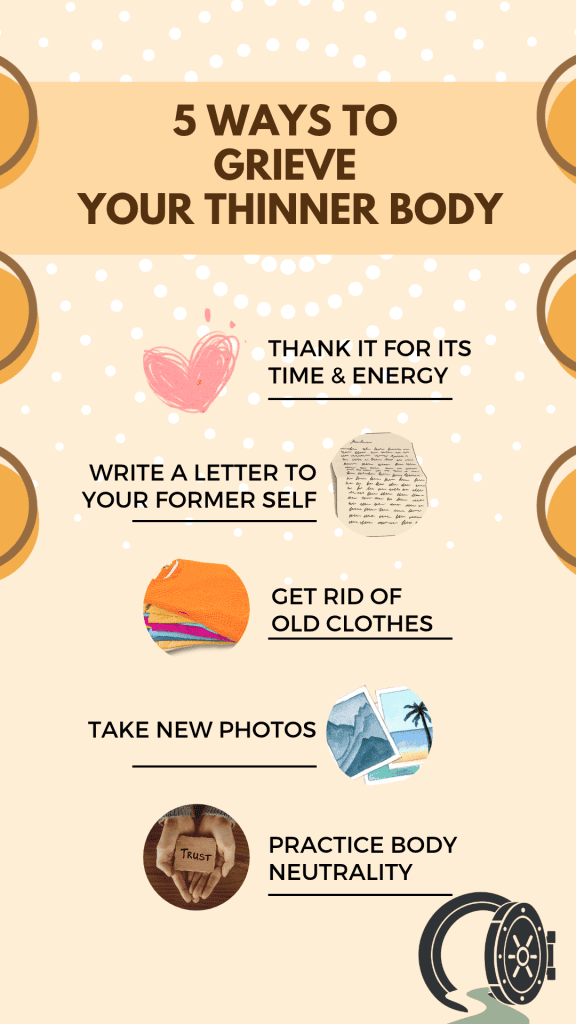
When I was recovering from my eating disorder, getting rid of my anorexia clothes was one of the hardest parts. Letting go of those clothes meant facing the possibility that I might never wear them again. I had feelings about that, even though I wanted to recover.
You can want your life back from your eating disorder and still wish you fit into your old jeans. Both can be true while you’re standing in front of the same damn closet. Maybe you miss a body you used to have. Maybe you’re grieving a body you spent years trying to get and the life you thought you’d have in it.
In eating disorder recovery, letting go of the pursuit of thinness can mean giving up a goal that shaped what you ate, how you spent your time, and what you thought you had to do to feel good about yourself. Of course you might have feelings about that.

What is The Thin Ideal
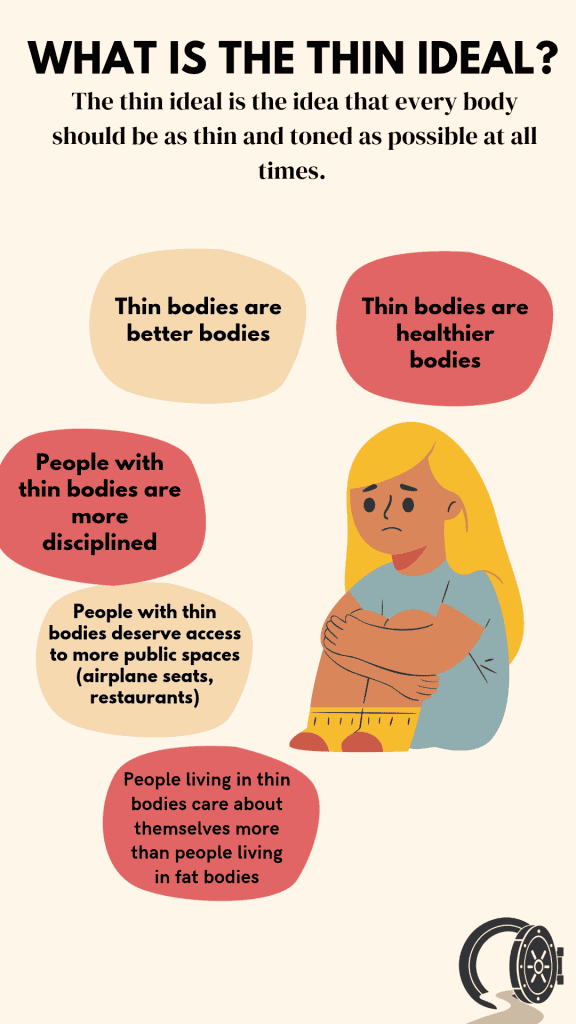
The thin ideal is the cultural belief that thinner bodies are more desirable. Diet culture gives thinness a whole set of personality traits. Think about the compliment “You look great. Have you lost weight?” and what it teaches you to expect when your body changes in recovery.
This single statement can imply:
- You look better when you are smaller
- Losing weight is the key to looking great
- You should look great. That’s why I made a point of calling it out.
- Your efforts should go into being physically appealing to continue to be respected
Thin people get cast as disciplined and healthy, the ones who have their lives together. Fat people get handed the opposite script, as if every larger body is a “before” picture waiting to happen. Body size doesn’t tell you any of that about a person, but diet culture sells those traits like they come in the box with a smaller pair of jeans.
You don’t have to go looking for these messages, because they find you. They show up in before-and-after posts, in sitcoms where the fat character is the punchline, and at the doctor’s office when every complaint gets answered with “Have you tried losing weight?” They show up at Thanksgiving when your aunt announces she’s “being bad” by having pie.
Researchers call it thin-ideal internalization when you start applying those messages to your own body. In a study of girls and young women who were already unhappy with their bodies, thin-ideal internalization, body dissatisfaction, and dieting predicted who went on to develop bulimia, binge eating disorder, or purging disorder.
What Am I Giving Up When I Stop Trying to Be Thinner?
The standards of oppression that keep the thin ideal alive are very real. You will likely experience some level of discrimination when you stop trying to be your smallest self. But just remember- every time you feed the system, it takes a little more of your power away from you. It strips you of your own right to body autonomy.
My suggestion… recover in spite of of the standards. Take your life back, even if there is some pain and discomfort involved at times. What you will gain is SO MUCH greater than what you give up.
Psychotherapist Jeanne Courtney described size acceptance as a grief process based on her work with lesbian feminists. What you’re grieving might be easier to name if you think about what you hoped thinness would give you.
- A body you used to have. You might miss how your clothes fit or how it felt to get compliments, even if you were thinking about food all day at the time.
- The life you thought you’d have. Maybe you were going to start dating again, get back in the pool, or finally let someone take a full-body photo of you. You might debate with yourself whether you should put these things on hold because you are not comfortable with your body.
- The hope of being treated better. If you’ve ever walked into a restaurant and immediately scanned the room for a chair you could sit in comfortably, it makes sense that you’d want relief. These experiences are part of what I mean when I talk about being the fattest person in the room, and how this feeling can impact how you show up socially.
- Kinder treatment at the doctor’s office. Weight stigma can show up in health care, too. In recorded primary-care visits, physicians showed less warmth and empathy toward higher-weight patients and often prescribed weight loss instead of addressing their medical issue.
- A way to feel in control. Making a new food rule can give you something to focus on when you’re lonely, anxious, or unsure what to do next.
- A way to bond with people. Maybe trading diet tips was how you and your sister got through a phone call. When you stop joining in, you might miss the feeling of having something to talk about. It can take a while to find another way to spend that time together.
- The time you spent waiting. It can hurt to think about the photos you stayed out of, the dinners you skipped, or how much of your day went into trying to look different.
Those losses can pile up in one afternoon. You might be standing in a dressing room, mad that the store stops carrying your size, and sad that trying on clothes used to feel easier.
This doesn’t mean you’re doing anything wrong, and noticing all of the inconveniences that can come along with a changing body is just one form of grief. However, knowing this doesn’t always make the grieving process easier in the moment.
Why Do I Still Miss It When I Want to Recover?
You can want to eat dinner without negotiating with yourself for an hour and still miss how your old jeans fit. You can feel good about recovery in the morning and get thrown by a comment about your body that afternoon.
In interviews, people with anorexia described feeling torn about whether the eating disorder gave them control or controlled them. Finding a sense of self outside the illness can be part of recovery, too. If you’ve spent years being the person who always follows the food rules, it can take time to figure out what you want your days to look like when those rules take up less space.
Sometimes the old rules get loud again right when you’re doing something you wanted recovery to make possible. Say you go out for pizza with friends. You enjoy it, and then on the drive home you start thinking about how to make up for eating it.
That’s a moment to name what’s happening and decide what support you need for the next meal. If this is a familiar pattern, here’s more on why you might feel guilty after eating.
When Accepting My Body Feels Like Giving Up
If you’ve spent years being praised for trying to get smaller, buying jeans that fit can feel like admitting defeat. You might stand there thinking, If I buy these, am I saying I’m okay with my body staying this size?
Maybe you’re worried other people will think you’ve stopped taking care of yourself. Maybe you’re the one who’s going to think it.
You might have to figure out what to do with a Saturday you’d normally spend trying on clothes that haven’t fit in years. You might also have to face how badly you wanted the approval that came with getting smaller. These are all part of the grief process.
On a day when body acceptance feels like too big an ask, start with body respect. What would make today a little easier on your body?
- Wear the jeans you can sit down in, even if you’re sad about the size on the tag.
- Have your next planned meal or snack, even if getting dressed brought up the urge to restrict.
- Go see your friend in the outfit you already have on, even if you spent the last ten minutes thinking about canceling.
You can buy the damn jeans that fit while you’re still sorting out how you feel about your body. You deserve to sit down comfortably today.
What Do I Gain When I Let Go of the Thin Ideal?
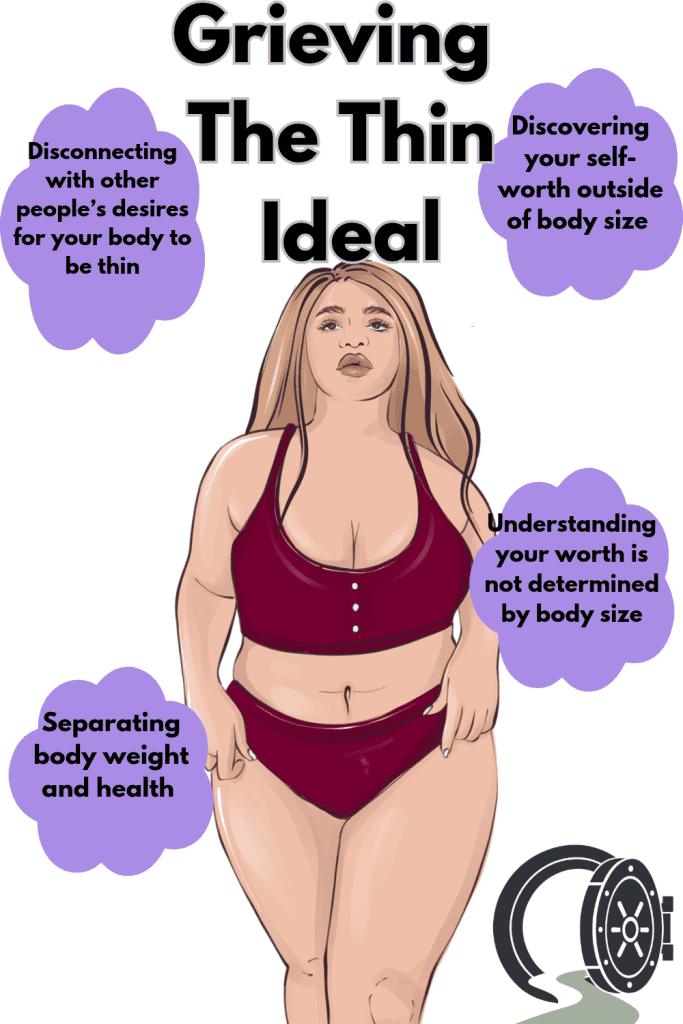
Grief gets most of the airtime in this part of recovery, and it deserves it. But the thin ideal also charged you rent every single day. When you stop paying it, you start getting things back, and most of them show up so gradually you might not notice at first.
- Your brain. When your body is fed consistently and you’re not planning the next restriction, food thoughts tend to get quieter. One day you’ll realize you sat through a whole movie without doing math on what you ate.
- Your Saturdays. The afternoon you used to lose to trying on clothes that haven’t fit in years can go to the farmers market or a nap that nobody has to earn.
- A spot in your own life. You get to be in the group photo and say yes to dinner without spending all week bargaining with yourself first.
- Conversations that aren’t about shrinking. Phone calls with your sister can be about her terrible boss or the show you’re both watching, instead of who’s cutting carbs this month. You start noticing the topics you begin to discuss turn things that well… actually matter.
- More trust in your body. With regular eating, hunger and fullness usually get easier to read over time. Eating starts to feel less like a test you keep failing.
- Your money. No more detox teas or app subscriptions from an industry that makes its money off you feeling like crap about your body.
- A better idea of who you are. When “the one who’s always on a diet” stops being your whole personality, there’s room to find out what you actually like. Maybe you’re funny as hell. Maybe you’re the friend who always orders dessert.
None of this cancels out the grief, and you don’t have to pick one. You can miss your old jeans and still be glad you spent Saturday at the lake instead of in front of a mirror.
On a hard day, write down one thing you’ve gotten back since you started recovery, even if it’s as small as eating a sandwich without counting anything. That list is proof the eating disorder was taking more than it ever gave you.
What Do I Do on the Days I Want My Old Body Back?
Pick the idea that fits what’s hard today. If you’re dreading a family dinner, you might need a sentence for diet talk. If an old photo just popped up in your memories and you can’t stop staring at it, start with closing it and deciding who you can text.
- Ask what you hoped being thinner would give you. If the answer is “I could finally go swimming,” what would make going swimming easier now? A suit you feel comfortable moving in? A friend who keeps body talk out of the conversation?
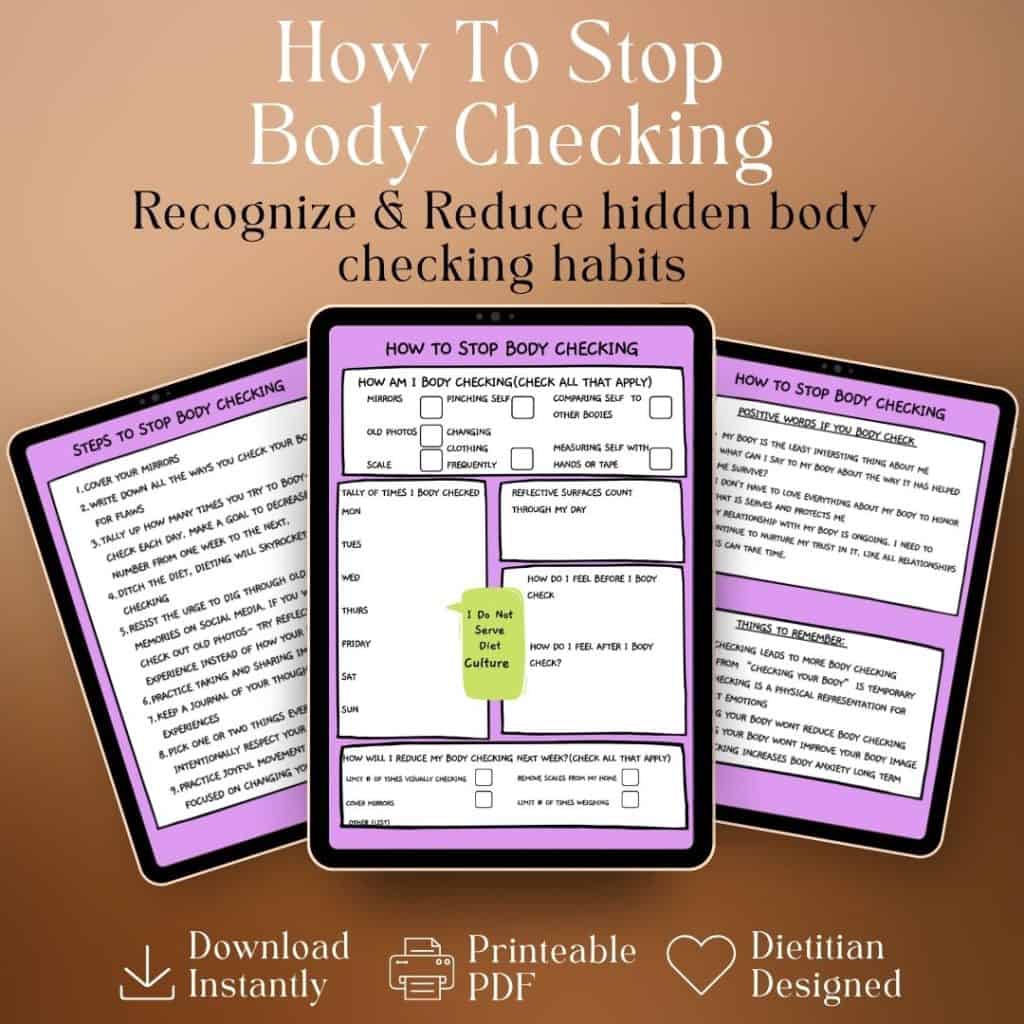
- Let dinner happen after the bad photo. If looking at the photo has turned into body checking, close it, ask someone you trust for meal support, and have your next planned meal or snack. If the urge to restrict is getting stronger, tell someone you trust what’s coming up, even if the exact words are I want my old body back.
- Have one sentence ready for diet talk. “Can we talk about something besides weight?” is enough. You can also step away and come back when you’re ready.
Body Image Questions To Ask Yourself When Grieving
If you’re stuck on what to write or say, pick one of these questions and see where it takes you. There are more body image questions you can come back to on a different day.
- What did I hope being thinner would give me?
- What is the first thing I would do if my body image concerns were no longer in the way?
- When is the urge to change my body loudest? What happened right before it showed up?
- What would make accomplishing my goals and doing things I enjoy in the body I have a little easier?
You can miss your old jeans and still eat lunch, wear something comfortable, and make plans for this weekend in the body you have today.


- Dating Someone With an Eating Disorder: Supporting Them Without Losing Yourself - October 19, 2026
- The Evolution of Thinspo: From Pro-Ana Websites to SkinnyTok - September 19, 2026
- Meal Support For Eating Disorders - August 12, 2026