Table of Contents
Last updated on October 15th, 2026 at 05:37 pm
Warning signs of an eating disorder can be easy to miss when everyone is calling them “healthy habits.” Skipping lunch gets called discipline, exercising through exhaustion gets praised as dedication, and somehow being terrified of bread passes for taking care of yourself. Diet culture has done a hell of a job making a miserable relationship with food look like an accomplishment.
Warning signs can show up in eating habits, thoughts, physical symptoms, and relationships. You do not need to check every box before taking them seriously, and you cannot tell how sick someone is by looking at their body. With atypical anorexia, serious restriction can be missed because the person does not fit the stereotype of what anorexia looks like.
Physical and Mental Warning Signs at a Glance
The distinction below helps organize what you might notice, but the body and brain affect each other. Eating disorders can affect people at any body weight, including people whose appearance has not changed.
| Physical signs and impacts | Mental, emotional, and social signs |
| Feeling cold, exhausted, weak, or dizzy | Food and body thoughts taking over the day |
| Constipation, bloating, or feeling full quickly | Anxiety when meals or ingredients change |
| Hair thinning or changes in menstrual periods | Guilt after eating or fear of weight gain |
| Dehydration, dental changes, or swollen cheeks with vomiting | Shame, secrecy, or distress around eating |
| Changes in heart rate, blood pressure, or growth | Withdrawing from meals, friends, or activities |
These are examples, not a diagnostic checklist. A symptom may have another cause, and an eating disorder can be present without visible physical changes.

Food Changes in Eating Disorders
Watch for a pattern of eating becoming more rigid, limited, or distressing. A person’s food choices may look “healthy” from the outside while their list of allowed foods gets smaller every week.
Restriction and Food Rules
Examples include:
- Skipping meals or repeatedly saying they already ate.
- Cutting out carbohydrates, fats, or whole food groups.
- Counting calories in a way that controls what, when, and how much they can eat.
- Refusing food unless every ingredient or portion is known.
- Using coffee, gum, or low-calorie drinks to replace meals.
- Adding new restrictions whenever an old rule becomes easier to follow.
Vegetarianism, veganism, allergies, and medically necessary diets are not eating disorders. The concern is whether a change is being used to restrict more food, brings intense fear, or makes eating enough increasingly difficult. Take reported allergies and digestive symptoms seriously rather than assuming they are excuses.
A growing list of food rules and fear foods can make an ordinary meal feel like a test the person is terrified of failing.
Changes Around Meals
| What you might notice | What makes it concerning |
| Avoiding family dinners or restaurant plans | Food anxiety repeatedly decides whether they participate. |
| Becoming upset when someone else cooks | Uncertainty about ingredients or portions feels unbearable. |
| Hiding or discarding food | The meal appears eaten, but food is regularly being avoided. |
| Eating secretly or feeling unable to stop | Eating brings a sense of lost control, shame, or distress. |
| Exercising or skipping meals after eating | Food is treated as something that must be compensated for. |
When Eating Feels Out of Control
Someone might describe eating in secret, feeling unable to stop, or feeling ashamed afterward. Those experiences deserve attention, but eating more than your food rules allow does not automatically mean you are bingeing. Your eating disorder may call a second sandwich a binge simply because it had only approved the first one.
Extreme hunger after restriction can make eating feel urgent. Binge-eating disorder involves recurring binge episodes with loss of control and distress, and it cannot be identified by appetite or portion size alone. Understanding the pattern means looking at the whole picture, including restriction before the eating episode and what “out of control” means to the person experiencing it.
Eating a large meal or wanting seconds does not automatically mean binge eating. Binge-eating disorder involves recurring episodes with loss of control and distress; appetite alone does not establish that diagnosis. Extreme hunger after restriction can also feel intense, so understanding what happened before the meal matters.

Mental and Emotional Warning Signs
Notice whether someone is thinking about food all the time and how much space exercise and body size are taking up too. Someone may still be going to work and making jokes while mentally negotiating every bite of lunch. In my anorexia story, I share how the eating disorder supplied reasons to believe I was not “that bad off.”
| Thought or emotional pattern | What it can look or sound like |
| Fear of body changes | “If I gain weight, I won’t be able to handle it.” |
| Guilt about eating | “I was bad today. I need to make up for dinner.” |
| Rigid food judgments | Calling foods “good,” “bad,” “clean,” or “cheating,” then judging themselves by what they eat. |
| Repeated body checking | Comparing photos, weighing repeatedly, or checking mirrors for reassurance. |
| Anxiety about rest | Feeling unable to miss a workout, even when ill or injured. |
| Minimizing the problem | “Other people are much worse. I don’t need help.” |
Body checking, fear of gaining weight, and compulsive exercise can become exhausting routines. The eating disorder keeps moving the finish line: another body check, another food rule, another workout before you are supposedly allowed to relax.
Not every eating disorder centers on weight or shape. In ARFID, or avoidant/restrictive food intake disorder, restriction may relate to food textures, fear of choking or vomiting, or low interest in eating.
Physical Symptoms of Eating Disorders
Restriction can affect far more than weight. Starvation syndrome describes physical and psychological changes associated with inadequate nourishment.
| Area affected | Signs or impacts that may occur |
| Energy and temperature | Fatigue, weakness, or feeling unusually cold. |
| Heart and circulation | Slow pulse, low blood pressure, dizziness on standing, or fainting. |
| Digestion | Constipation, bloating, abdominal discomfort, or early fullness; delayed stomach emptying can occur with restriction. |
| Hair and skin | Hair thinning or fine body-hair growth, called lanugo. |
| Hormones and bones | Missing or irregular periods and reduced bone strength. |
| Growth in children and teens | Slowed growth or delayed puberty, including when obvious weight loss is absent. |
| Mouth and teeth | Tooth sensitivity, enamel erosion, sore throat, or swollen salivary glands associated with repeated vomiting. |
These changes vary across eating disorders and do not all happen to everyone. Clinical guidance recommends assessing eating patterns, physical symptoms, and psychological concerns together, rather than relying on a person’s weight alone.
Can Blood Tests Be Normal?
Yes. Normal blood tests do not rule out serious eating-disorder illness. They do not establish that someone is eating enough or that their heart is safe.
An assessment can include eating and exercise history, pulse and blood pressure, blood tests, and an ECG, which records the heart’s electrical activity. A lab report cannot tell the whole story of what someone’s body is going through.
Bulimia and Purging Warning Signs
Someone may be purging without anyone witnessing it. Possible clues include repeatedly leaving after meals, mouth or throat symptoms, and finding evidence of laxative misuse alongside distress about food.
| Possible sign | What to understand |
| Regularly disappearing after meals | A reason to check in when other warning signs are present, not proof of vomiting. |
| Swollen cheeks or dental changes | Repeated vomiting can affect salivary glands and tooth enamel. |
| Calluses on the knuckles | Sometimes occur with self-induced vomiting, but may be absent. |
| Fasting or driven exercise after eating | May be attempts to compensate for food. |
| Dehydration or abnormal electrolytes | Vomiting and laxative misuse can disturb minerals needed for normal heart and muscle function. |
These signs are not unique to bulimia. Purging can occur in other eating disorders, and someone with bulimia may have no obvious change in weight.
Laxative Misuse Signs in Eating Disorders
Using laxatives to compensate for eating is concerning, even if the packaging calls the product “natural” or a “detox.” A prescribed laxative for constipation is a different situation; the reason for using it and how it is being used matter.
Possible signs include repeated diarrhea, abdominal cramps, dehydration, and a recurring pattern of taking laxatives after eating. Some products marketed as slimming teas contain stimulant laxatives; ordinary tea or coffee use alone does not establish misuse.
Symptoms cannot reliably tell you which product someone is taking or how medically stable they are. Be direct and compassionate: “I’m worried about the stomach symptoms and how you’re feeling after meals. Are you using anything to try to undo eating?”
Habits That May Indicate an Eating Disorder
Excessive caffeine, gum chewing, and drinking large amounts of water, matter most in context. Having coffee or chewing gum is not evidence of an eating disorder, but if it seems this is being used to suppress appetite or in place of food this can be one cue a person may be struggling.
Look at the job the habit is doing. Is gum replacing lunch? Does someone drink water to suppress hunger or feel they cannot eat until they have completed a workout?
The pattern becomes concerning when it helps avoid nourishment, compensates for eating, or interferes with everyday life.

What to Do If You Notice Warning Signs
Choose a private moment away from a meal and describe what you have noticed without commenting on appearance. “You’ve been skipping dinner and getting dizzy. I’m worried about you, and I’d like to help you get this checked out” gives the conversation somewhere useful to go.
If you are unsure what to say to someone with an eating disorder, focus on their distress and daily life. Debating whether they look thin enough leaves the eating disorder in charge of who qualifies for help.
For yourself or someone else, a practical next step is to book a medical appointment and name the concern clearly: “I’m worried about an eating disorder.” Bring examples of restriction, bingeing, vomiting, laxative use, exercise, and physical symptoms, even if the scale or previous labs have seemed unremarkable.
Treatment may involve medical monitoring, nutrition support, and therapy. Some people need hospital care or a more intensive program; others receive outpatient care. Early assessment is recommended, without waiting for a particular BMI or length of illness.
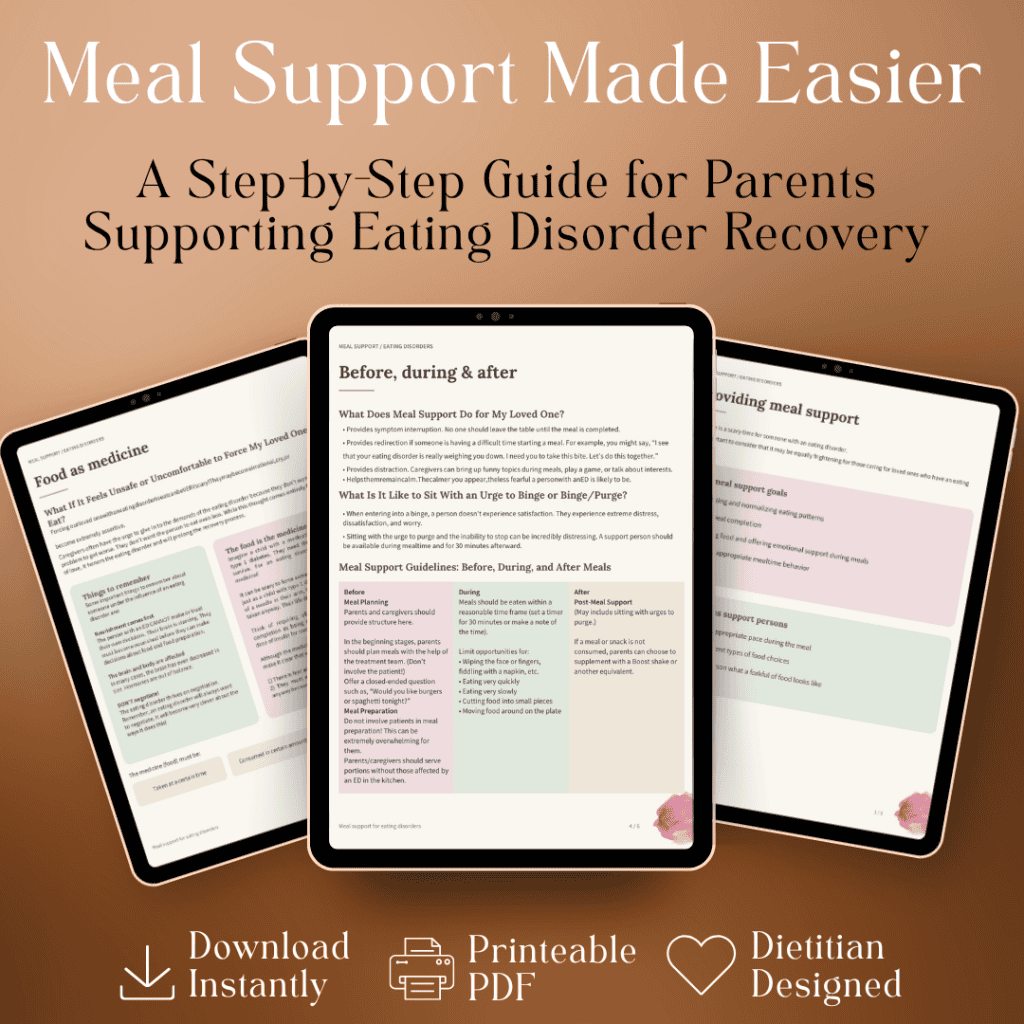
Support at home can include company during meals and practical help arranging appointments. When hunger signals have become unreliable, mechanical eating means using a planned routine rather than waiting to feel hungry; someone with prolonged severe restriction needs medical guidance when increasing intake because dangerous shifts in body chemistry can occur.
When Symptoms Need Urgent Attention
Seek urgent medical assessment for fainting, chest pain, or a racing or irregular heartbeat in the setting of restriction or purging. Call emergency services for collapse with poor recovery, severe breathing difficulty, or chest pain with fainting; fainting with chest pain or an irregular heartbeat is an emergency warning sign.
Do not wait for visible weight loss to take these symptoms seriously. Your eating disorder does not get to decide that you need to get worse before you deserve help.

- Dating Someone With an Eating Disorder: Supporting Them Without Losing Yourself - October 19, 2026
- The Evolution of Thinspo: From Pro-Ana Websites to SkinnyTok - September 19, 2026
- Meal Support For Eating Disorders - August 12, 2026